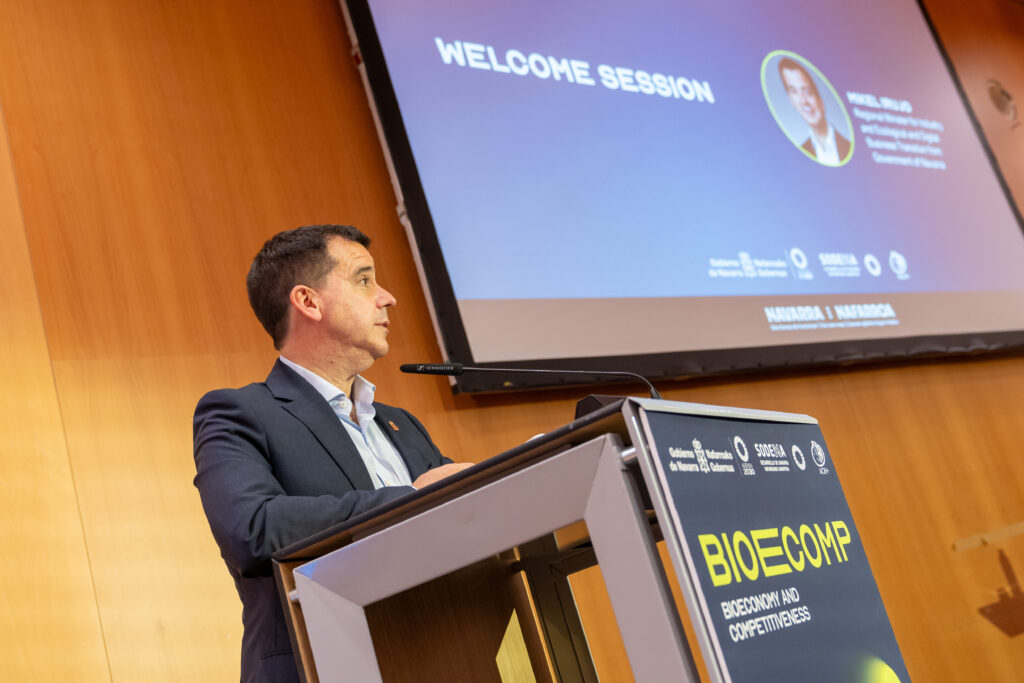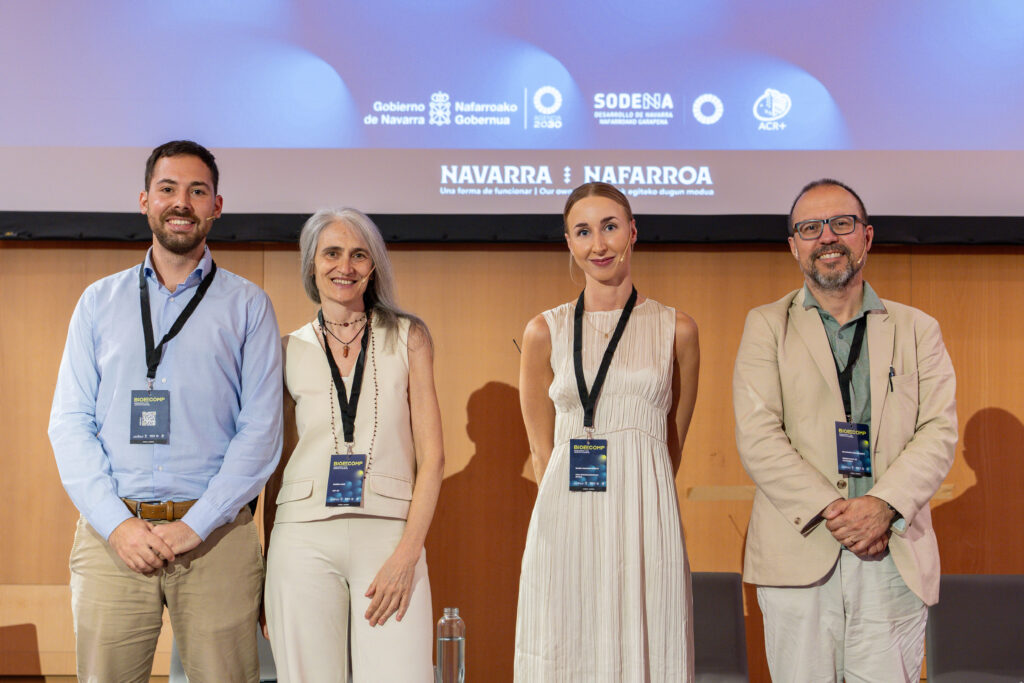
- “The bioeconomy is no longer a theoretical concept, and Navarra has the recipe to turn it into an industrial strength,” stated Minister Irujo during the event.
- The event, co-organized by the Government of Navarra, Sodena, and ACR+, attracted the interest of more than 200 participants.
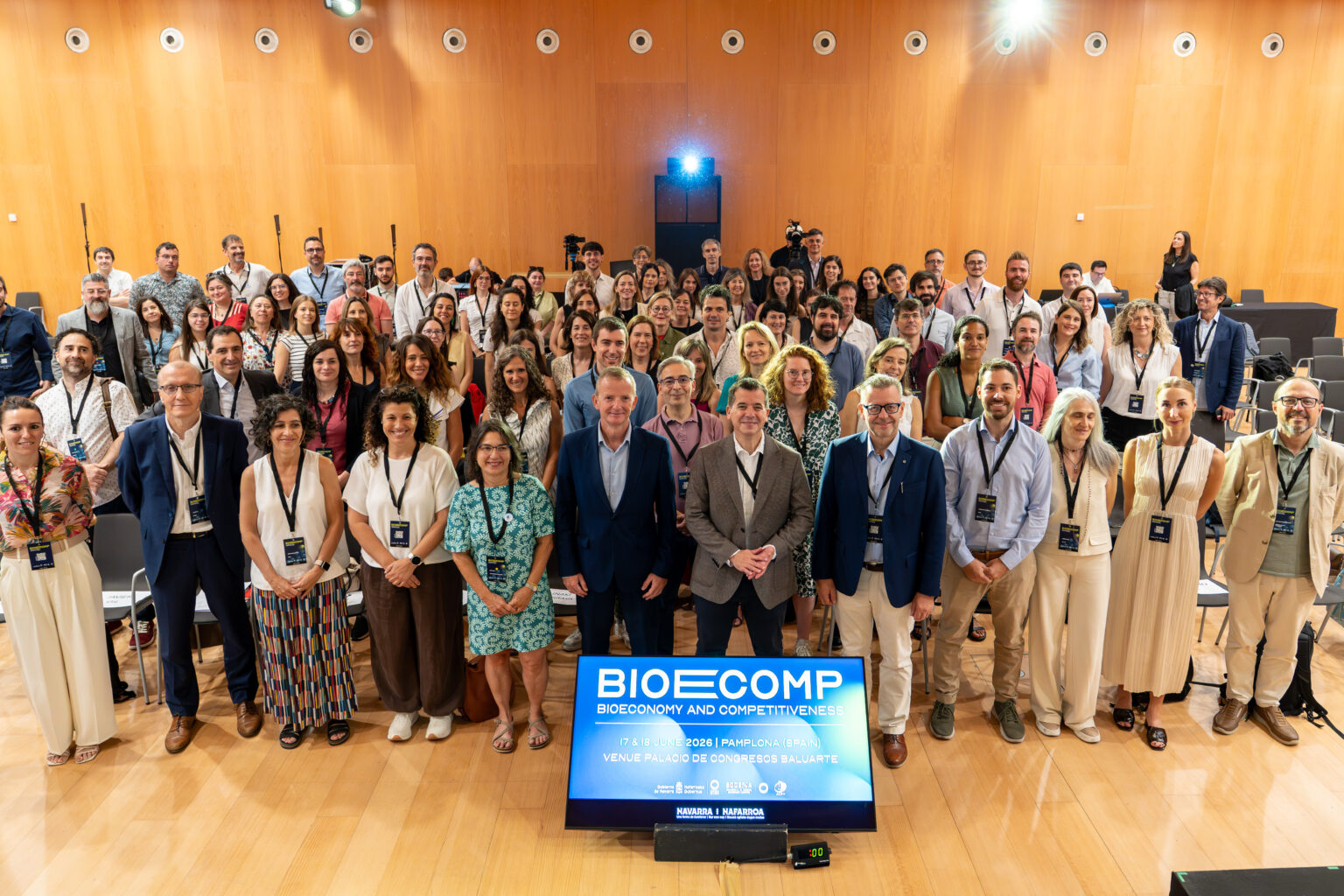
The ability to transform innovation, knowledge, and biological resources into industrial activity took center stage this Thursday during the second day of the Bioeconomy and Competitiveness Days 2026 – Bioecomp. The event was co-organized by the Government of Navarra, Sodena, and the European Association of Cities and Regions for Sustainable Resource Management (ACR+). Representatives from across Europe, companies, technology centers, and specialized organizations were able to gain first-hand insight into Navarra’s bioeconomy ecosystem, which aims to lead the industrial transition.
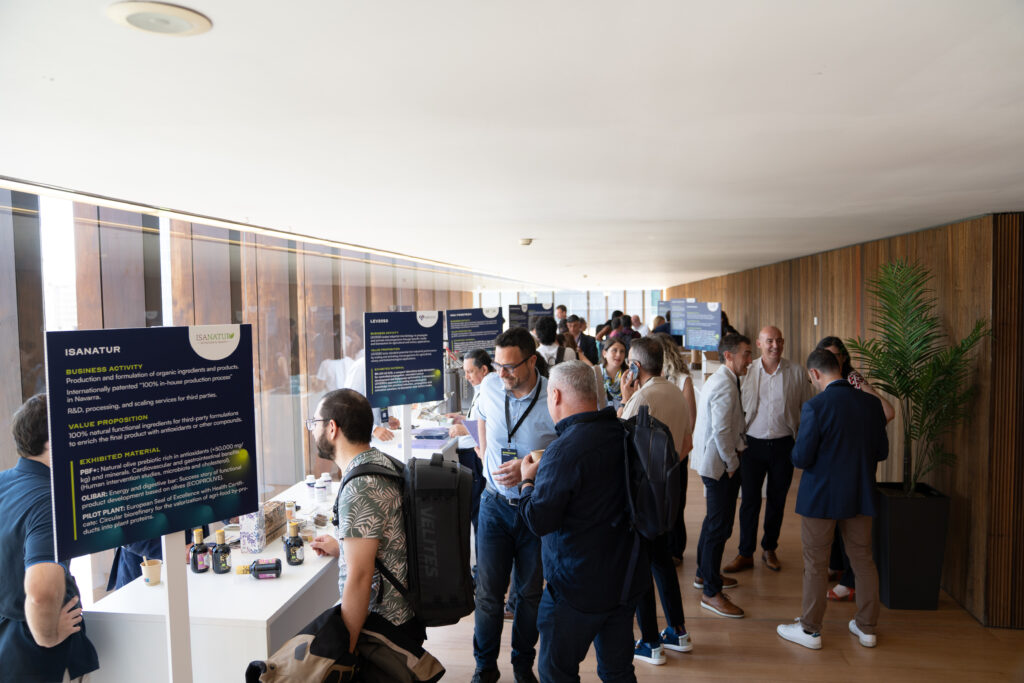
Following Wednesday’s visits to CENER’s Biorefinery and Bioenergy Center and the Iris Lab Synthetic Biology Laboratory, Bioecomp attendees—one-third international and half from outside Navarra—toured the showroom installed at the Navarra Conference Center and Auditorium, Baluarte. Fourteen companies from the region showcased their latest proposals in areas such as resource valorization, biomaterials, and industrial decarbonization. Participating companies included: Aislanat, Allbiotech, Betelu Myco Trace, Cocuus, Isanatur, MOA Foodtech, Nanogrow Biotech, Ingredalia, LEV20250, Biosasun, Envirohemp, SBS Thermal Technologies, Smurfit Westrock, and Storopack.
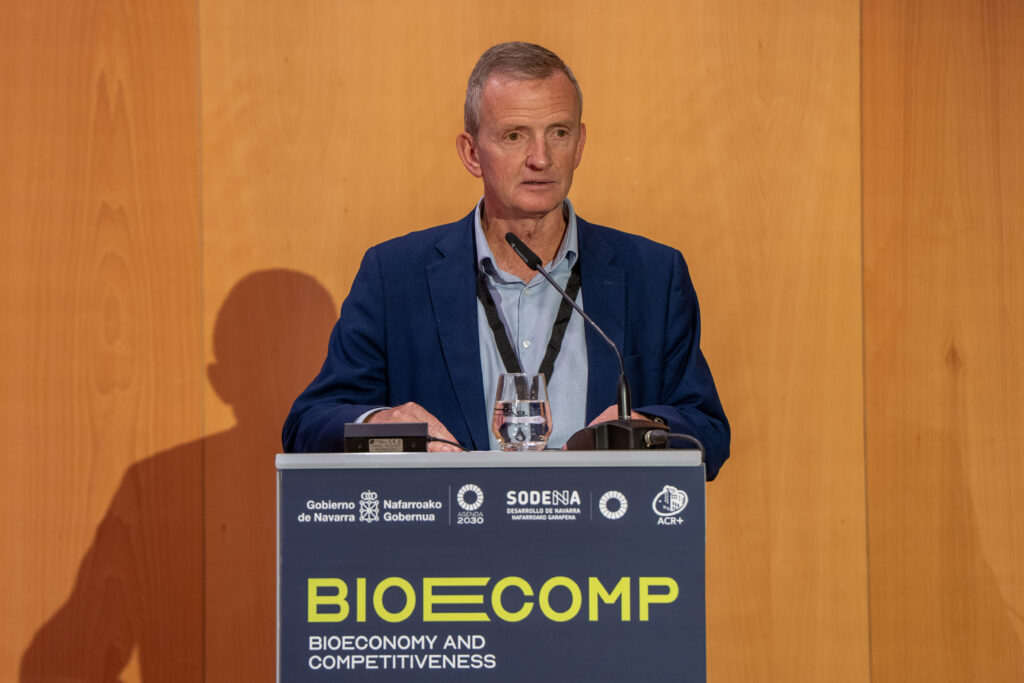
At the opening of the second day, the Minister of Industry and Business Ecological and Digital Transition, Mikel Irujo, stated that “the bioeconomy is no longer a theoretical concept, and Navarra has the recipe to turn it into industrial strength, as demonstrated by this showroom.”
In this regard, Irujo emphasized that the region’s approach “is based on the sustainable use of biological resources such as plants, animals, microorganisms, and organic waste to produce goods and services.” “Deepening this model will allow us to achieve greater sovereignty, a less fossil-dependent economy, and increased competitiveness,” he added.
Panel discussions
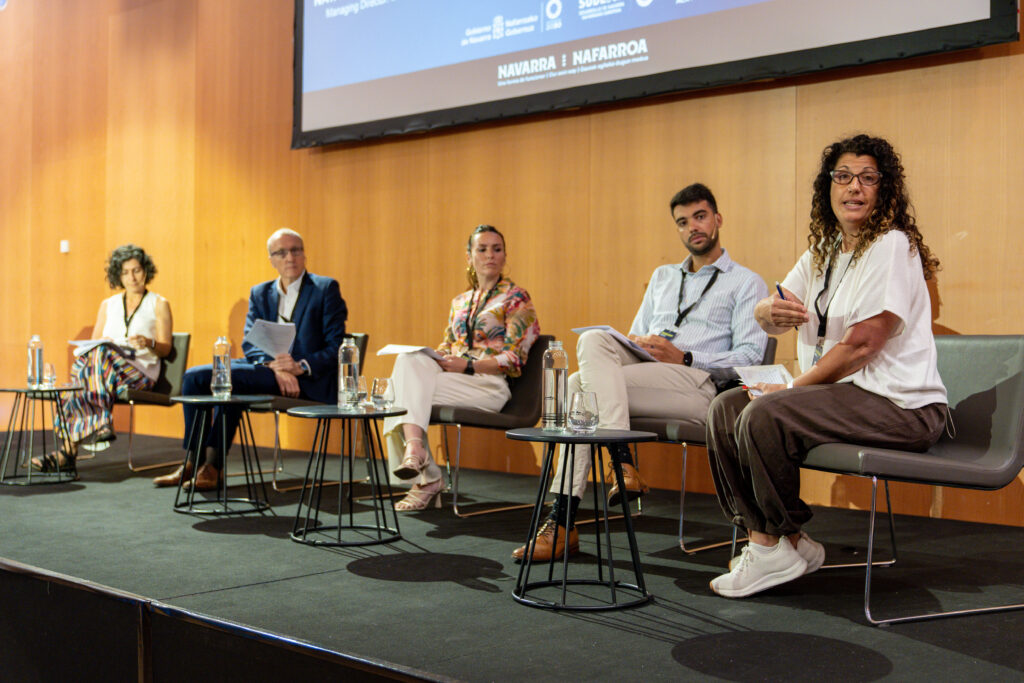
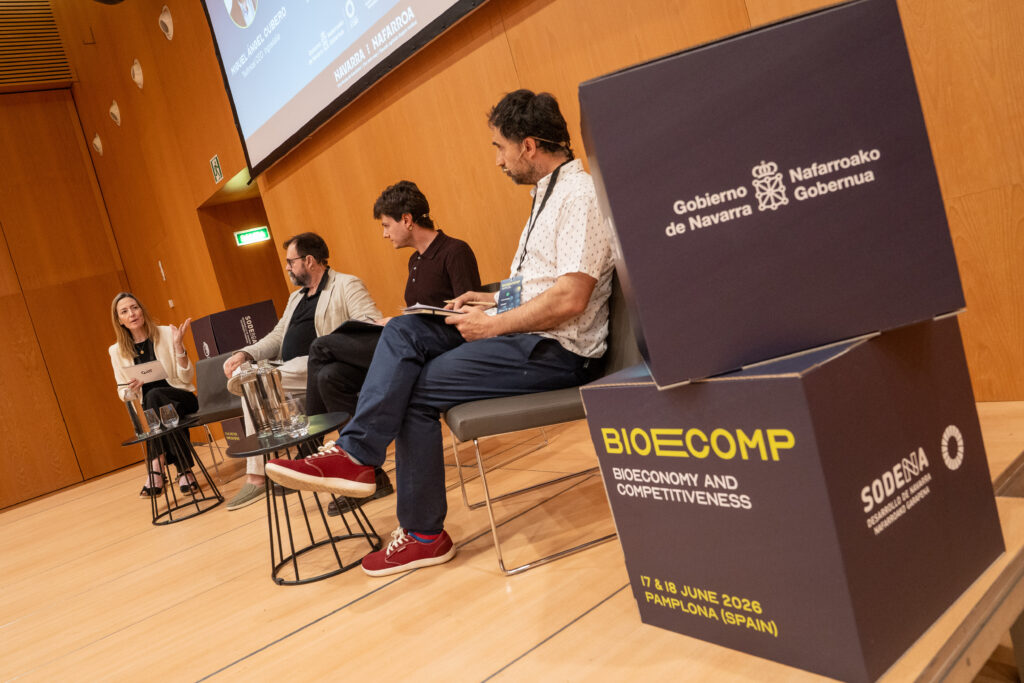
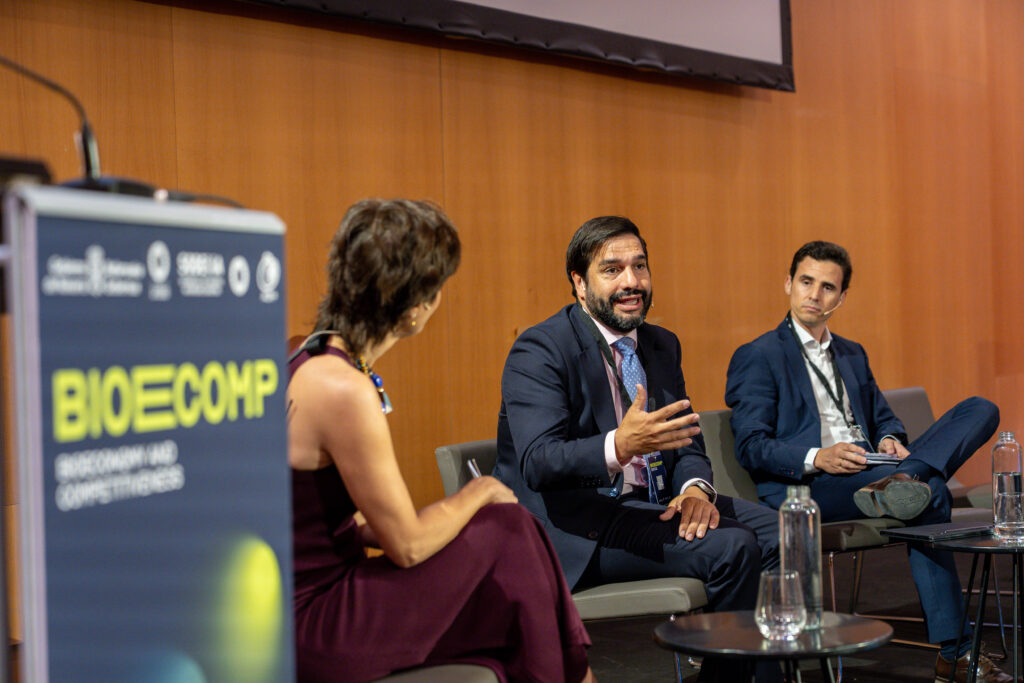
Alongside the showroom, the second day included three panel discussions on bioeconomy, presenting Navarra’s ecosystem, how regions can promote it, and the challenges and opportunities faced by companies that have adopted it. This is the case for companies based in Navarra such as Viscofan and Smurfit Westrock.
During their discussion, representatives agreed that the use of renewable raw materials, circularity, and innovation represent opportunities to generate economic value and move toward more sustainable production models. They also identified challenges such as adapting to the European regulatory framework and strengthening the economic viability of certain bio-based solutions to enable large-scale implementation.
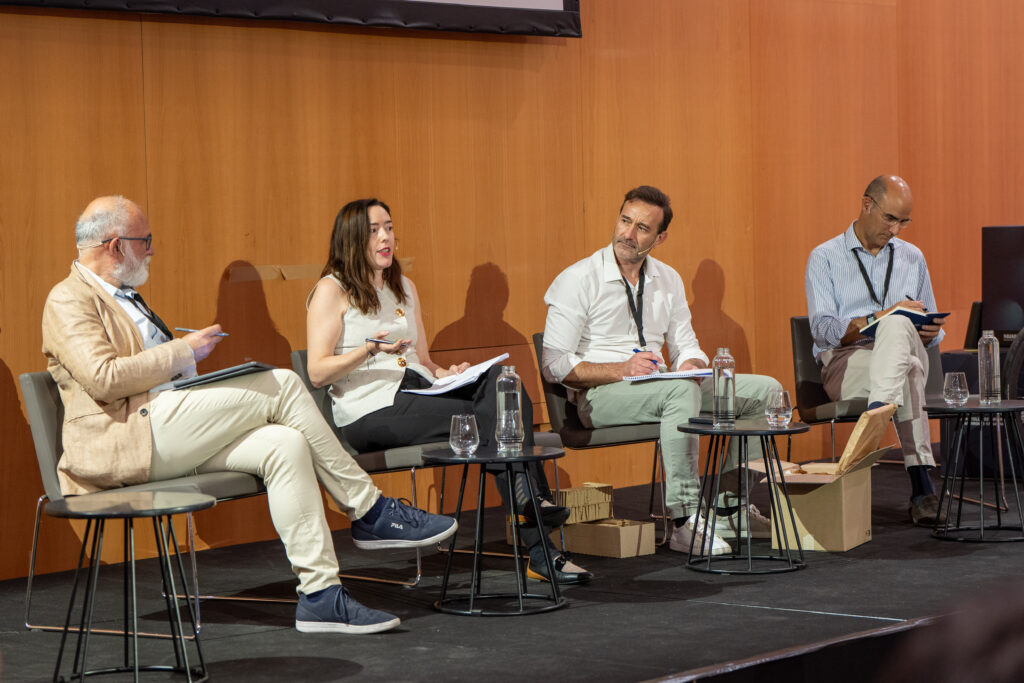
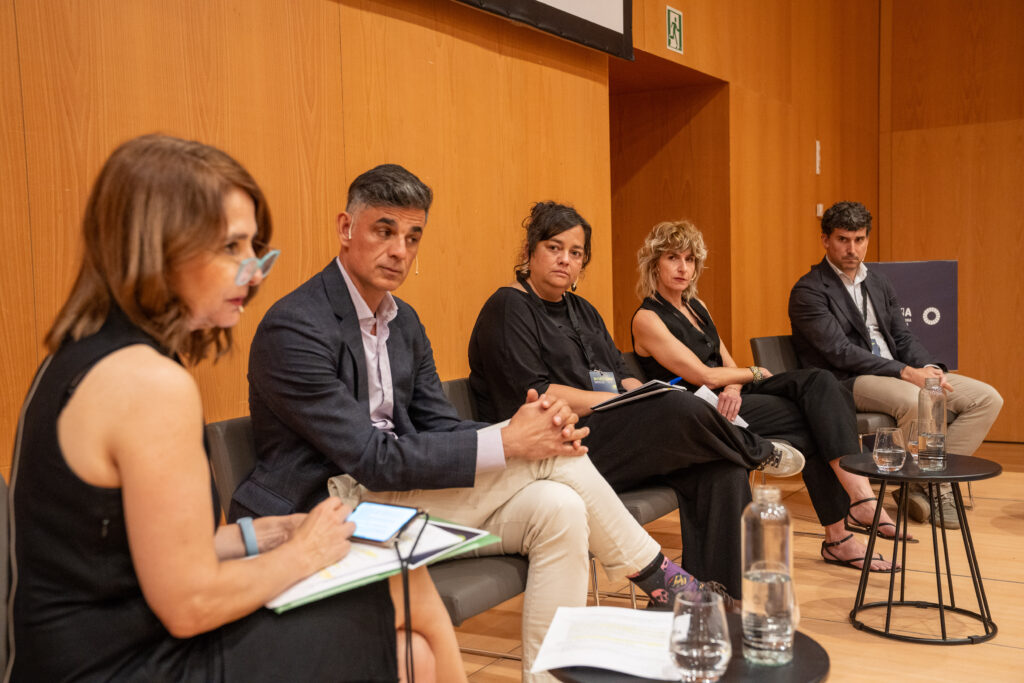
From a regional perspective, experiences from Emilia-Romagna, the Oslo region, and Catalonia were presented, highlighting the role of territories in advancing a more sustainable, circular, and competitive bioeconomy. Moderated by ERRIN (European Regions Research and Innovation Network), the session analyzed how regional administrations are translating their strategies into concrete measures to support innovation, investment, research, and the scaling up of bio-based solutions through public policies, financial instruments, and support for innovation ecosystems. Cooperation between administrations, research centers, companies, investors, and citizens is key to interregional collaboration and essential for a more competitive value chain.
In Navarra’s case, representatives from INTIA, CENER, UCAN, and LEV2050 participated to reflect on the current bioeconomy ecosystem and its bioindustrial development opportunities. The panel highlighted the region’s strengths, including a strong primary sector, a consolidated industrial base, and a leading scientific and technological ecosystem.
For Navarra, the bioeconomy can become a key tool to strengthen economic resilience, diversify value chains—especially in agriculture and forestry—and reduce dependence on external inputs. Key challenges include scaling up biotechnological solutions, strengthening knowledge transfer to the market, and improving coordination among ecosystem stakeholders. They also emphasized the need to evolve toward a shared circular bioeconomy strategy capable of transforming biological resources and biomass into high value-added bioproducts through industrial biotechnology, bio-manufacturing, and innovative processes.
First day
Separately, the Bioeconomy and Competitiveness Days 2026 officially began on Wednesday with a welcome event at Baluarte led by Minister Mikel Irujo and Françoise Bonnet, Secretary General of ACR+. Bonnet emphasized that “the circular bioeconomy is not only about biological resources or new technologies, but about bringing together the entire value chain, enabling powerful collaboration across sectors, territories, and governance to create a more resilient, resource-efficient, and sustainable future.”
Participants also learned about the European Bioeconomy Strategy through Guillermo Gea, Environmental Policy Officer at the European Commission. In an inspirational address, Gea explained that the strategy “promotes the sustainable use of renewable biological resources to drive a circular economy that reduces dependence on fossil fuels and strengthens European industrial competitiveness.” “We aim to build a more resilient and autonomous Europe in the face of geopolitical, climate, and supply challenges, while supporting innovation, employment, and sustainability as key pillars of our future,” he added.
Continuing this line, Dimitrios Pontikakis, economist and policy analyst at the European Commission’s Joint Research Centre, presented a simulation model to help select effective policies for bioeconomy strategies.
As a conclusion to the first day, Jukka Kantola, CEO of the World Bioeconomy Association, presented “Bioeconomy opportunities for European industry,” highlighting the transition from strategic ambition to industrial reality.
“The global bioeconomy is already worth several trillion euros, but its real potential will depend on our ability to scale solutions from innovation to market,” he stated.
Kantola also stressed the importance of regional ecosystems in European competitiveness and highlighted Navarra as an example of how collaboration between companies, technology centers, and institutions can translate into industrial strength. “Regions that succeed in connecting specialization, innovation, and financing will lead the next phase of bioeconomy growth,” he said.
He also warned that Europe must overcome barriers such as fragmented governance, regulatory complexity, and insufficient funding for scale-up projects, which still hinder market creation. For this reason, he argued that “governance readiness is a prerequisite for market readiness” and called for coordinated action among regions, industry, and financial actors.
Parallel sessions and ACR+ Assembly
After the first day, the event continued on Thursday with parallel sessions focused on agri-food, biomaterials, and health and cosmetics.
In the agri-food session, representatives from CNTA, MOA Foodtech, Florette, and Stellum Food & Tech—moderated by FATE-Food&Agritech Europe—demonstrated how the bioeconomy is transforming the entire agri-food value chain, from soil health to waste valorization and the creation of innovative ingredients through sustainable processes, supported by financing.
The biomaterials session, led by Cesefor, featured representatives from the Circular Bio-based Europe Joint Undertaking (CBE JU), Storopack, and Advanced BioComposites. They presented high-value applications of materials such as cellulose and biopolymers for automotive, textiles, and construction, aiming to position Europe at the forefront of “materials of the future.”
Meanwhile, the health and cosmetics session explored how the bioeconomy impacts human health and enables innovations in skin care. Using bioactive ingredients, microbiome-based solutions, and sustainable, personalized active compounds, companies such as Ingredalia, Clave Capital, and Biosasun—moderated by CEIN—shared their expertise.
Each parallel session concluded with pitch sessions showcasing projects from companies including Aislanat, Allbiotech, Betelu Myco Trace, Cocuus, Envirohemp, Espiga I+D, Ezavod, Fundació ENT, InnoUp Farma, Isanatur, Nanogrow Biotech, SBS Thermal Technologies, and Uraphex.
Following the presentation of conclusions, Sodena’s Managing Director, Iñaki Larraya, closed the event.
Later in the afternoon, ACR+ held its General Assembly, where Navarra sought to assume the presidency, demonstrating its leadership and commitment to sustainable resource policies.
At the time of publication, it was confirmed that Navarra will hold the presidency of ACR+, reaffirming its leadership in the circular economy.